
















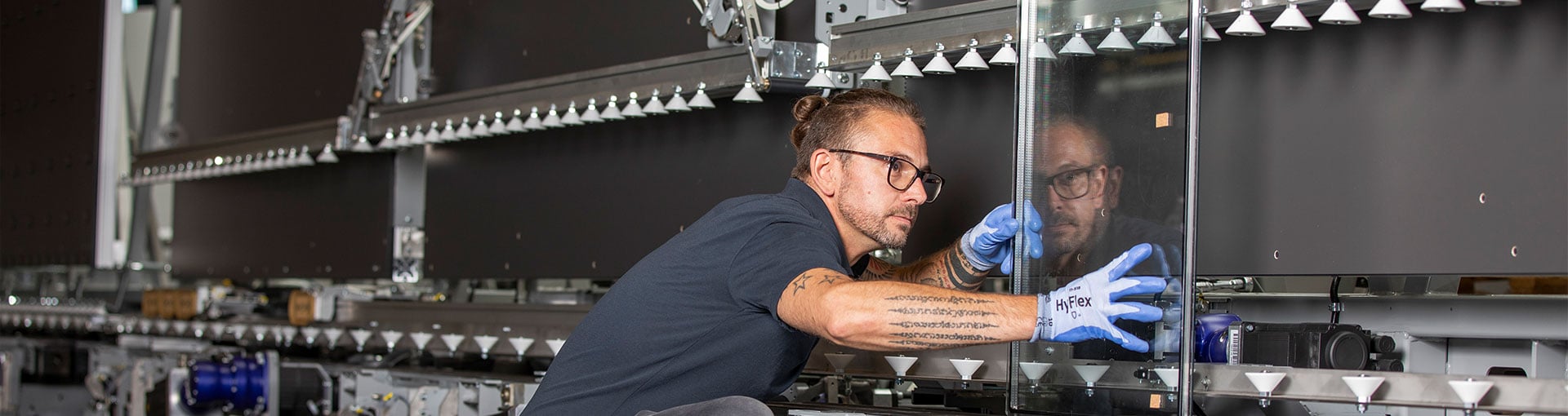



In insulating glass production, many manufacturers face similar challenges: increasing quality requirements, high levels of manual effort, and growing pressure on process stability and availability. At the same time, demand for thermoplastic spacers is rising, often accompanied by more complex processing requirements. This is exactly where LiSEC’s new TPA insulating glass line comes in.
The Challenge: Complex Processes, Rising Demands
In today’s insulating glass production, manufacturers are often faced with:
-
Quality fluctuations caused by manual intervention
-
Rework resulting from insufficient corner quality
-
Downtime or increased maintenance requirements in sensitive production processes
-
Growing pressure due to the shortage of skilled labour
-
Increasing demands driven by new glass designs, such as wider spacers
Particularly when processing thermoplastic spacers, consistently precise application is essential, while at the same time presenting significant technical challenges.
The Solution: LiSEC'S Integrated, Intelligent Line Concepts
The LiSEC TPA insulating glass line was specifically developed to address these challenges. It combines proven technologies with new developments and a clear focus on stable, automated production processes.
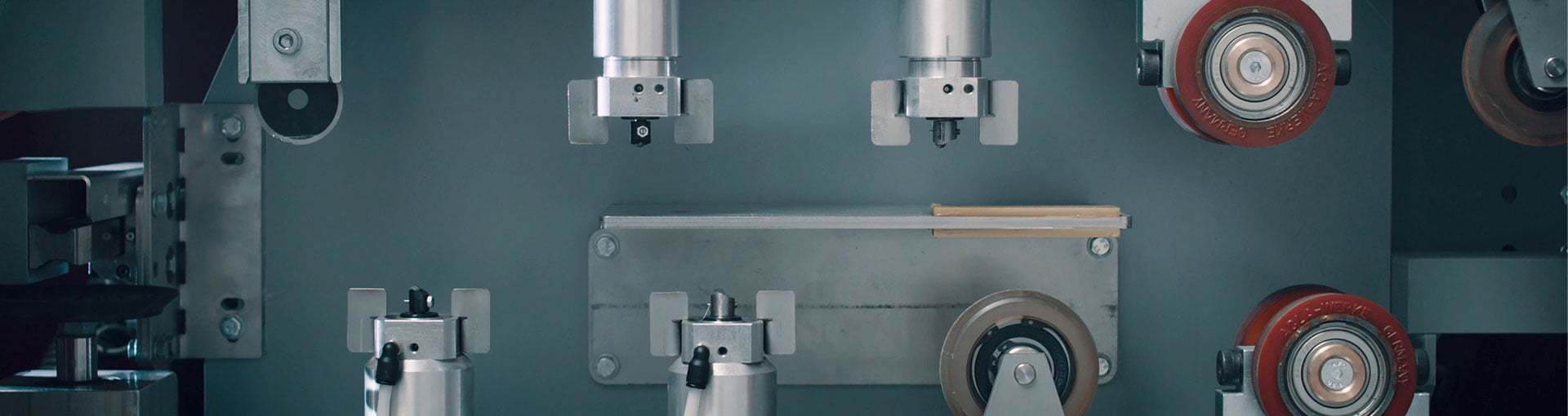
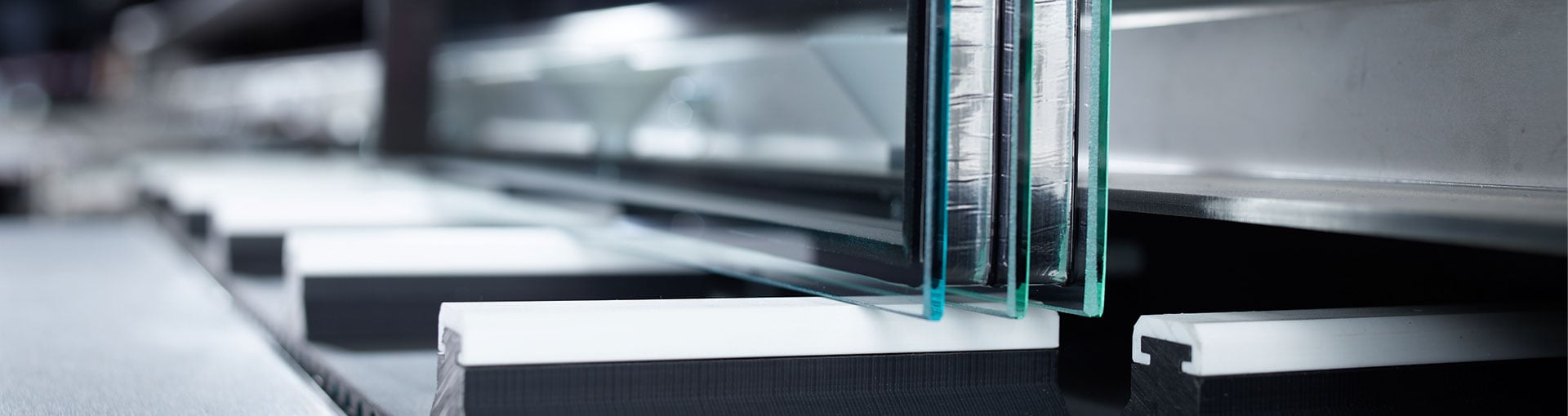
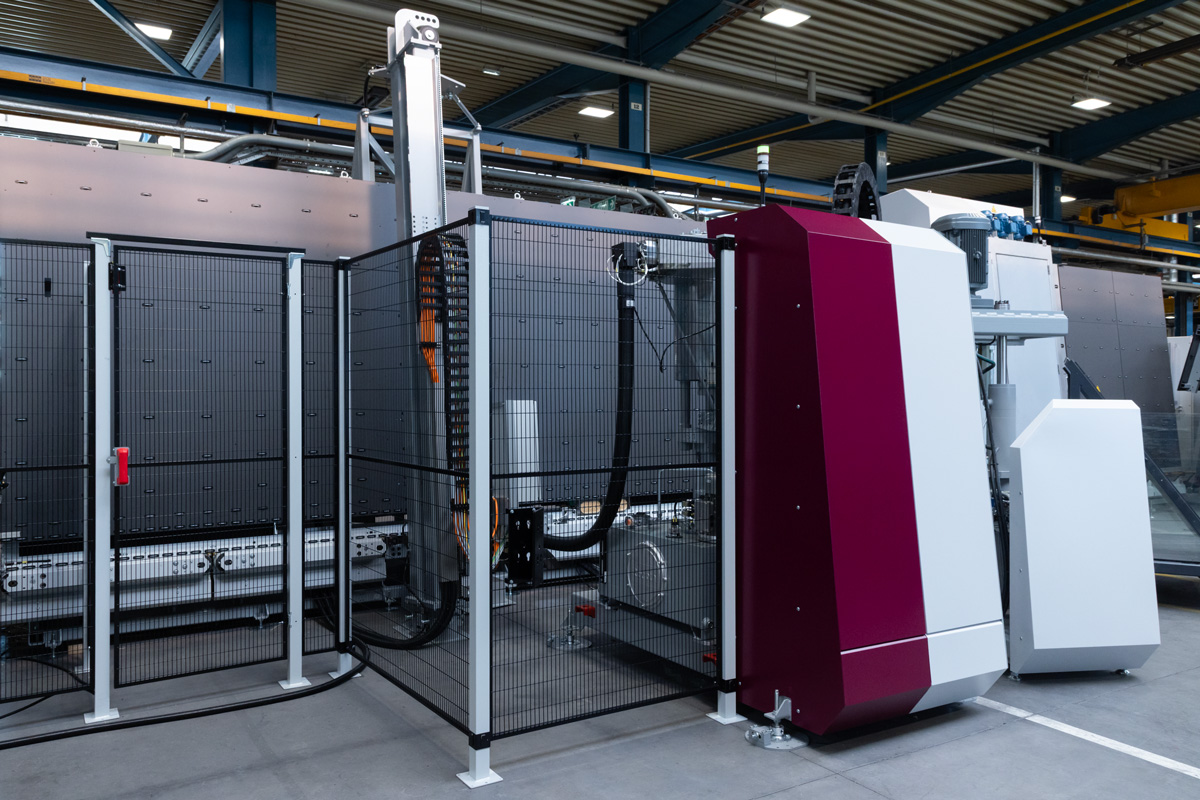
At the heart of the line is the new TPA-B applicator, delivering outstanding process stability and consistently high application quality. In combination with the LiSEC Corner Closure System, it creates a homogeneous, gas-tight connection between the start and end points of the application process. This unique feature is a key prerequisite for long-lasting insulating glass units. At the same time, this interaction ensures a visually clean spacer surface.
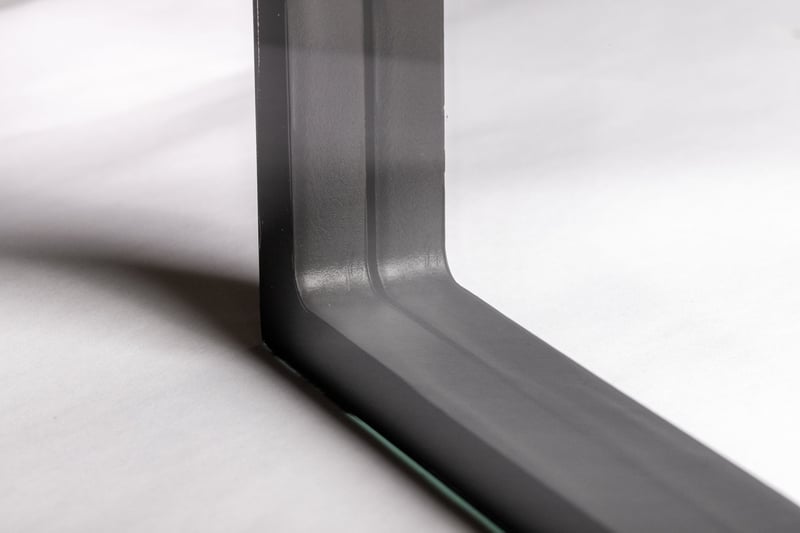
Another critical factor is secondary sealing quality. With the CleanCorner System of the SRP-A sealing robot, precise and clean execution of secondary seal, especially in the corners, is achieved. This significantly reduces manual rework and is particularly important for automated production lines and downstream processes.
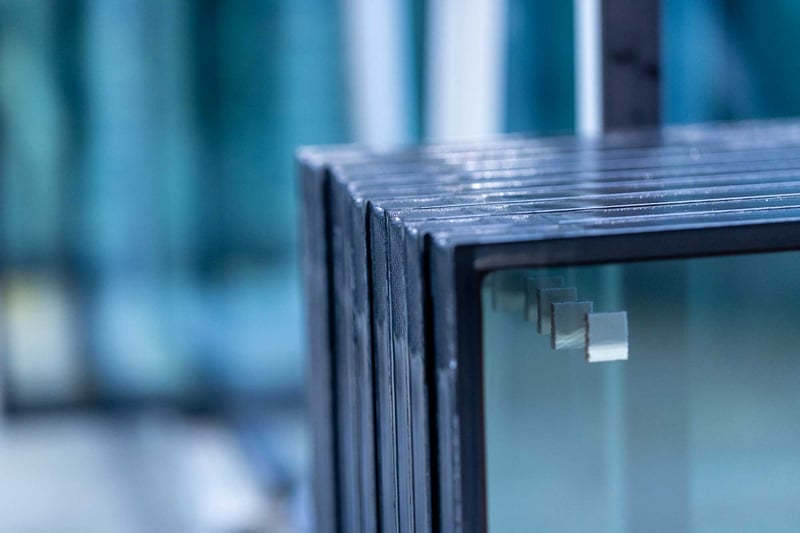
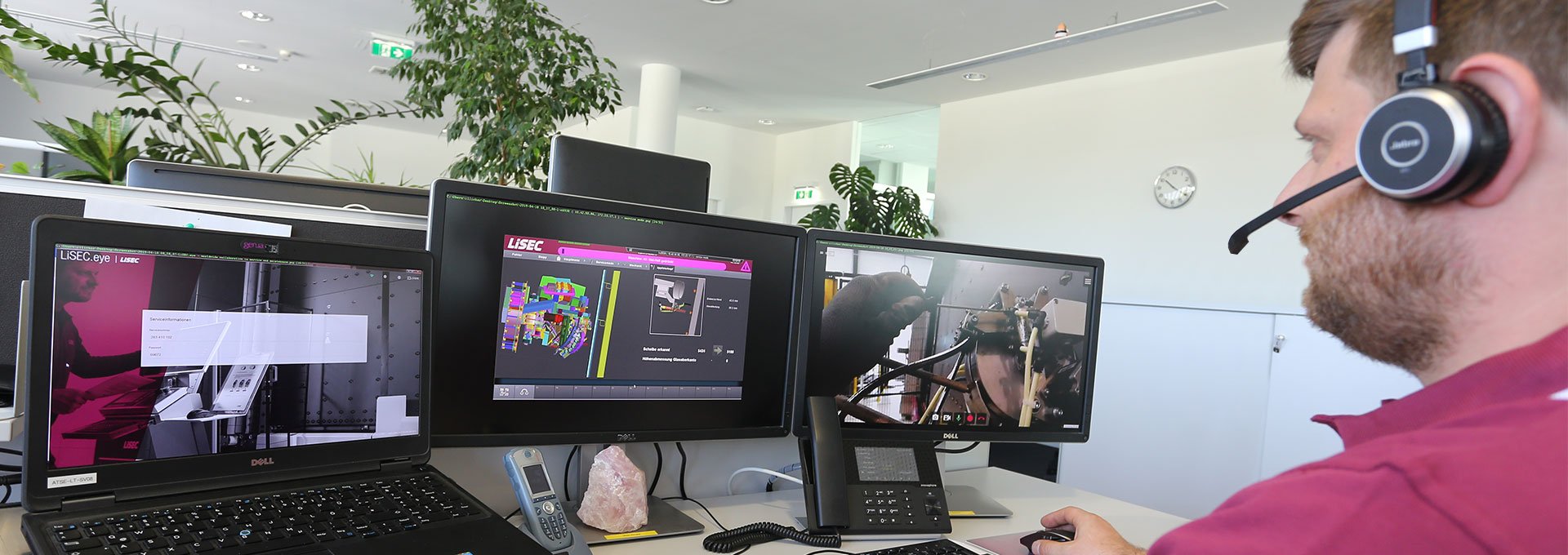
The line concept is further enhanced by intelligent process monitoring and quality assurance systems that enable continuous monitoring of product quality. Any deviations are detected immediately, allowing corrective action to be taken without delay. This contributes significantly to stable processes and reduced scrap rates.
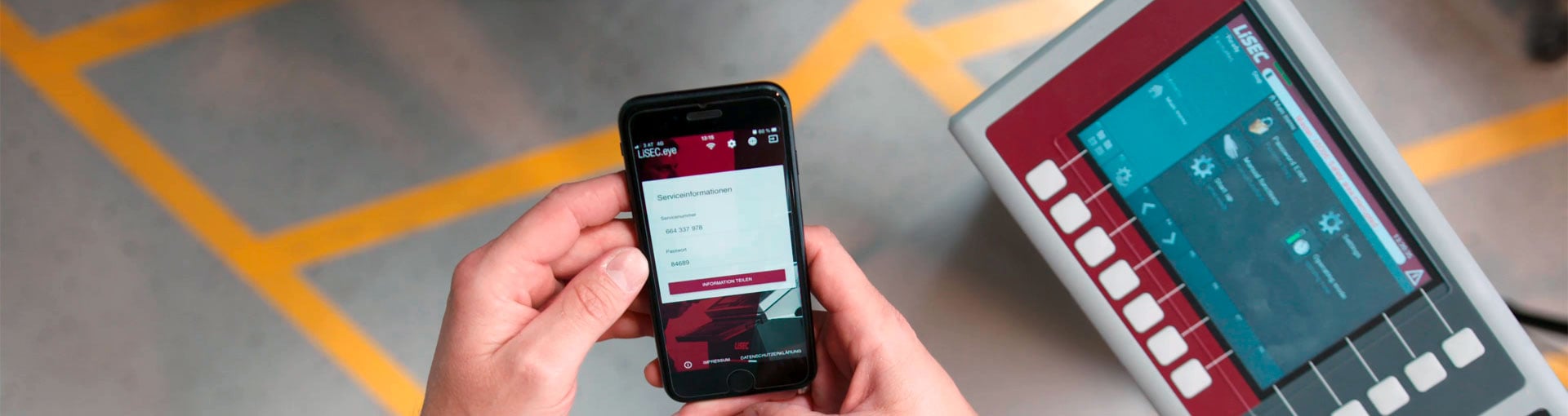
Completing the concept is a modern, future-proof software architecture featuring intuitive operating interfaces and a noticeably improved user experience, making day-to-day operation even easier.
LESS MANUAL INTERVENTION, MORE CONTROL
One of the key objectives of the new line is to make production processes more robust and less dependent on manual intervention. To achieve this, LiSEC relies on continuous, intelligent process control directly within the running production process.
By using AI-supported camera systems, product quality is monitored during production. Deviations are detected in real time, enabling immediate corrective action. This reduces scrap, prevents consequential errors and ensures consistently high quality across the entire production process.
In addition to quality and process stability, the line also addresses key future challenges within the industry:
-
Automation concepts extending towards fully unmanned production help mitigate the shortage of skilled labour.
-
The ability to process TPA spacers wider than 20 mm enables new product designs.
-
A modern software platform improves usability and reduces potential sources of error.
AVAILABILITY AND FURTHER INFORMATION
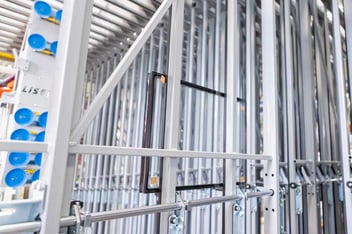
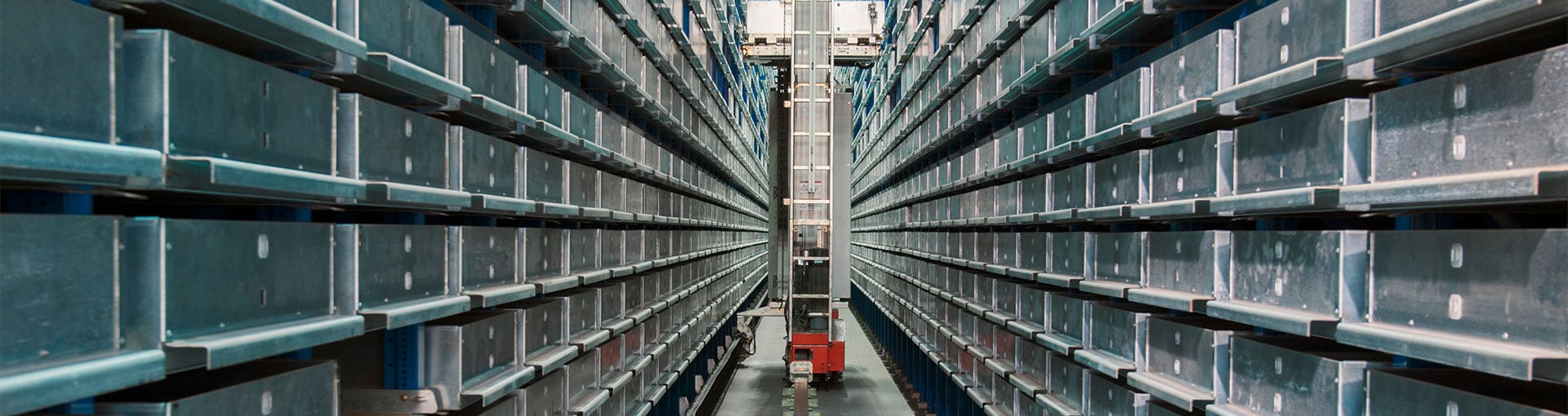
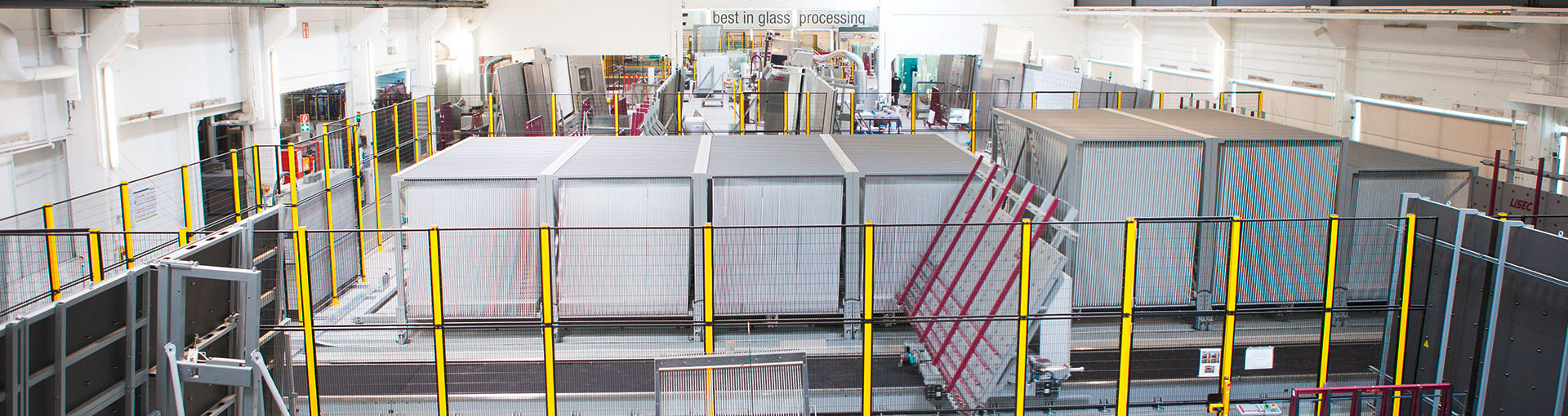
From 20 to 23 October 2026, visitors can experience the complete LiSEC TPA insulating glass line live at the LiSEC booth in Hall 17 / A64 in Düsseldorf. The exhibit includes the new FSI-A frame setting station, the newly developed TPA-B applicator and automatic robotic unloading into the fully automated LiSEC IG-Sort curing and sorting system.
Further information or personal consultation: 👉 https://www.lisec.com/about-lisec/contact
Summary
The LiSEC TPA insulating glass line does more than solve individual technical challenges. It rethinks insulating glass production as a fully integrated system, with the clear objective of stabilising processes, ensuring product quality and reducing operational effort.